
Tools
Resources to help you verify information and fight misinformation
The SIFT Method
A simple 4-step process to quickly evaluate any information you encounter online.
Stop
Pause before sharing. Don't react emotionally - take a moment to think.
Investigate the source
Who is behind this information? Are they credible experts on this topic?
Find better coverage
Look for other sources reporting the same claim. What do trusted outlets say?
Trace claims to origin
Where did this information originate? Find the primary source.
Fact-Checking Websites
Professional fact-checkers verify claims and debunk misinformation. Some cover general news, others specialise in science and health.
International and European
AFP Fact Check
International news agency with dedicated fact-checking in multiple languages.
EUvsDisinfo
EU East StratCom task force tracking pro-Kremlin disinformation.
EDMO
EU observatory on disinformation, with a hub in every member state
EFCSN directory
Directory of the European fact-checkers vetted against the EU code of standards. Find the one in your country and your language.
Full Fact
UK's independent fact-checking charity, focused on public discourse.
Snopes
One of the oldest fact-checking sites, covering urban legends and viral claims.
PolitiFact
Pulitzer Prize-winning fact-checking focused on US politics.
In the languages of this course
Les Décodeurs
Le Monde's fact-checking unit for French-language content.
Facta
Italian fact-checking newsroom, IFCN and EFCSN member, with steady coverage of health and science claims.
Factual
Romania's first fact-checking platform, run by the NGO Funky Citizens. IFCN and EFCSN member.
Lakmusz
Hungarian fact-checkers, IFCN and EFCSN member, and the Hungarian hub of the European Digital Media Observatory.
Razkrinkavanje
Oštro's fact-checking project in Slovene, IFCN and EFCSN member, with a pseudoscience section.
Factcheck.bg
The only Bulgarian newsroom devoted entirely to fact-checking, run by the Association of European Journalists.
Checking a scientific or health claim
A political claim and a scientific one aren't checked the same way. These sites look at the science itself, and the last ones take you to the study behind the headline.
Specialised in science and health
Science Feedback
A French non-profit whose scientist reviewers rate how accurately the media reports health, climate and energy claims.
SciCheck
FactCheck.org's science desk: misleading scientific claims in public debate, mostly health and vaccines. US-focused.
Dottore, ma è vero che...?
Health questions answered one by one, sourced, by Italy's national council of physicians.
Factual: Sănătate
Factual's health desk: medical and nutrition claims checked in Romanian.
Urban Legends
Hungarian site debunking hoaxes and health myths, with a monthly quiz mixing true and invented stories.
Go to the study itself
Cochrane
Researchers pool every study on a treatment and summarise what the evidence says, in plain language and 20 languages.
European Vaccination Information Portal
The EU disease prevention centre answers vaccine questions with the evidence, in 24 languages.
Science Media Centre
When a study makes the news, independent researchers say what it does and doesn't show.
Retraction Watch
Papers withdrawn after publication. A retraction doesn't make a claim false, but that study no longer supports it.
PubPeer
Scientists comment on published papers and flag errors or manipulated images. Paste a study's title or DOI.
Verification Tools
Technical tools to help you verify images, videos, and web content.
Google Reverse Image
Search for where an image appears online to check if it's been reused or manipulated.
imageTinEye
Specialized reverse image search that shows where images have appeared historically.
imageInVID WeVerify
Powerful toolkit for verifying images and videos, including forensic analysis.
videoWayback Machine
View archived versions of websites to see how content has changed over time.
webGoogle Fact Check Explorer
Search fact-checks published around the world.
socialHoaxy
Visualize how claims and fact-checks spread online.
socialPrebunking Games
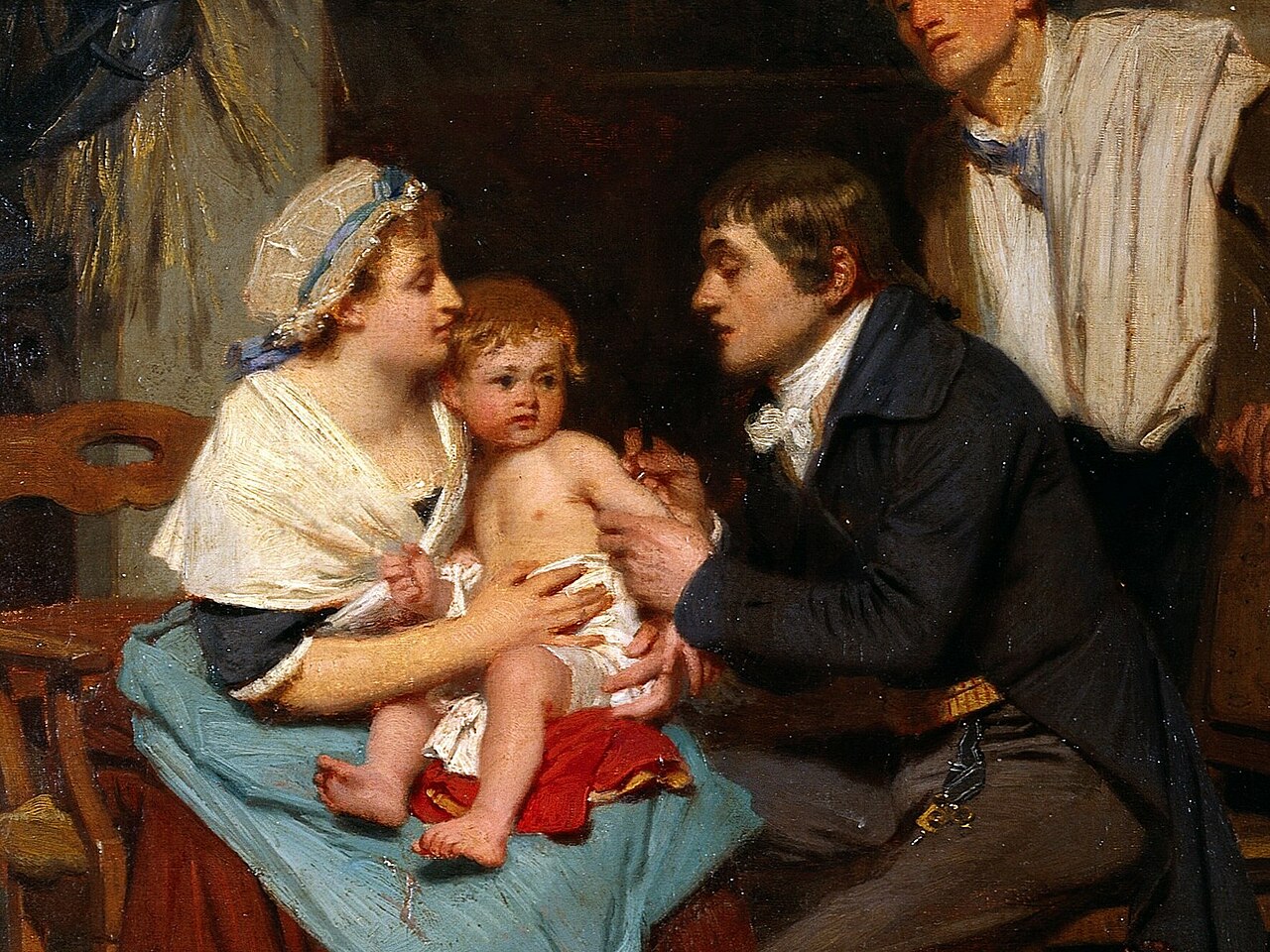
Prebunking works like a vaccine against disinformation. Just as a vaccine exposes you to a mild form of a disease so your body learns to defend itself, prebunking shows you simple examples of manipulation in advance, so you can recognise them when you come across them. The games below show you manipulators' tricks in a safe setting, so you can easily identify them online or offline.
Bad News
Build your own fake news empire and understand the tactics of misinformation.
Go Viral!
Understand how COVID-19 misinformation spreads by creating it yourself.
Harmony Square
Discover how disinformation polarizes a small town.
Cranky Uncle
Identify logical fallacies and manipulation techniques used by climate deniers.
Fakey
Practice spotting fake news in a simulated social media feed.
Troll Factory
Experience how troll farms operate and spread divisive content.
Browser Extensions
Install these tools to get real-time credibility ratings as you browse.
Quick Tips
- Check the date - old articles are often reshared as if they're new.
- Read beyond the headline - it might not reflect the actual content.
- Check your emotions - content designed to make you angry often spreads misinformation.
- Verify before sharing - you're responsible for what you spread.
- Consider the source's expertise - is this person qualified to speak on this topic?