
Human Rights & Disinformation
Understanding how disinformation threatens fundamental rights
Why Human Rights Matter in the Fight Against Disinformation
Disinformation isn't just a matter of truth or accuracy. Precisely because it seems harmless, it's all the more dangerous, and it can have serious consequences for our fundamental rights. When false information spreads widely, it can undermine democracy, fuel discrimination, endanger public health, and erode the trust society needs to function.
The Stakes Are Real
From "miracle cures" that steer patients away from effective treatments to hate speech targeting minorities, disinformation affects human rights in very concrete ways.
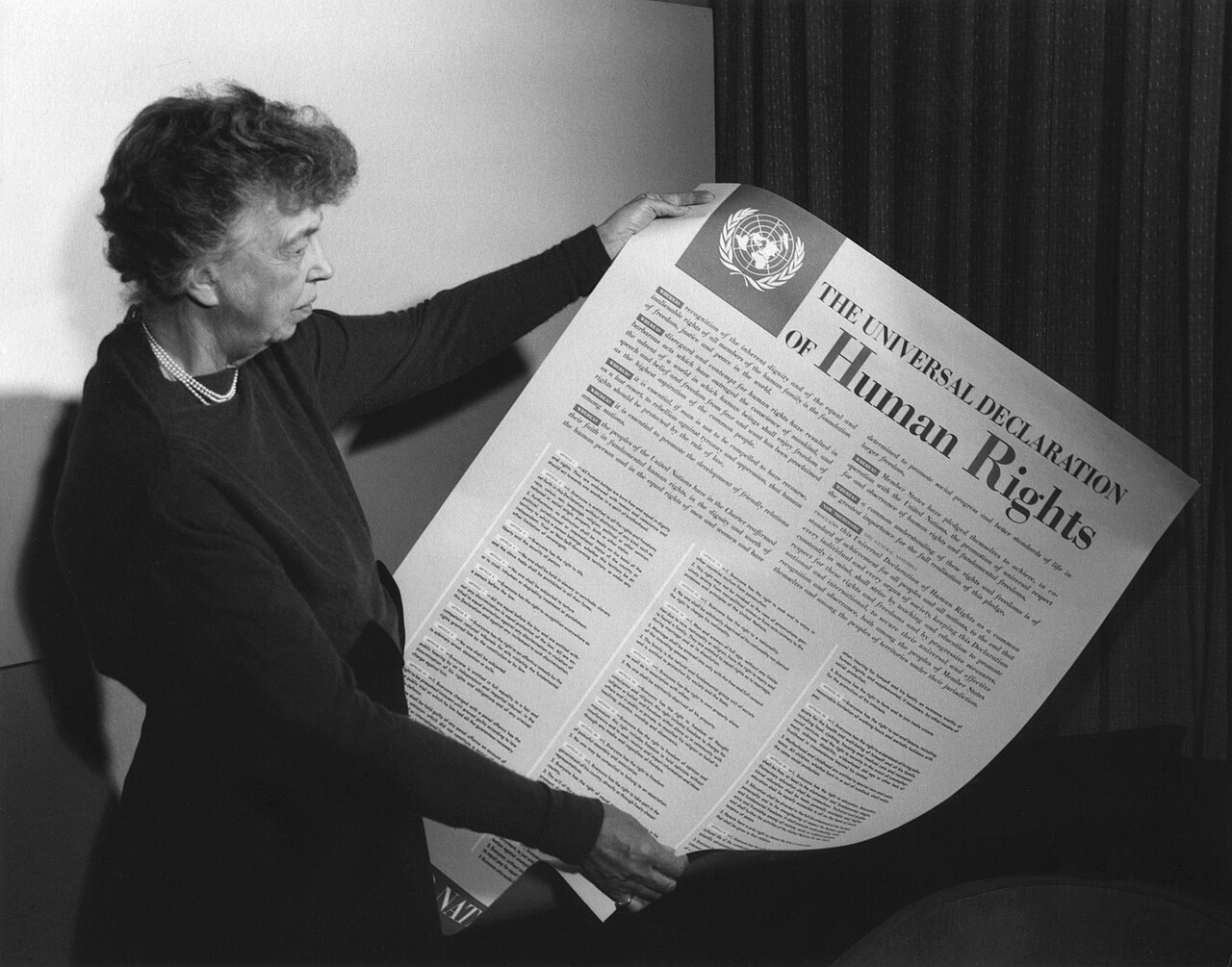
"All human beings are born free and equal in dignity and rights. They are endowed with reason and conscience and should act towards one another in a spirit of brotherhood."
Universal Declaration of Human Rights
Human dignity is the foundation of all human rights. Disinformation tramples on exactly that, undermining the equality, reason and conscience this article speaks of. Find out how.
Rights Affected by Disinformation
Right to Benefit from Science
Art. 27 UDHRThe right to share in scientific advancement and its benefits.
How this right is affected
Pseudoscientific claims can seem just as credible as science. They often turn up even in places where we'd expect reliable information, steering people away from effective treatments or undermining trust in research. When we can no longer tell science from its imitations, we risk losing the very benefits we're entitled to.
Right to Education
Art. 26 UDHRThe right to an education directed to the full development of the human personality, promoting understanding and tolerance.
How this right is affected
Disinformation can replace verified knowledge with false ideas and erode trust in teachers and experts, the very people who help us learn to think critically.
Right to Health
Art. 25 UDHRThe right to a standard of living adequate for the health and well-being of every person.
How this right is affected
False health information can lead people to put off seeing a doctor or give up on treatment, sometimes with serious consequences. And when it spreads quickly, it can even affect the health of an entire community.
Freedom of Expression
Art. 10 ECHRThe freedom to receive and impart information and ideas without interference by public authority.
How this right is affected
When the public space is flooded with false information, accurate information becomes hard to find, and credible voices get lost in the noise. Without reliable information, it's hard to form informed opinions.
Right to Free Elections
Art. 3 P1 ECHRThe right to vote in elections held under conditions that ensure the free expression of the opinion of the people.
How this right is affected
A free vote requires an informed choice. Disinformation campaigns can distort public debate and influence voters' decisions without them realizing it.
Freedom from Discrimination
Art. 14 ECHRThe right to enjoy rights and freedoms without discrimination on grounds such as sex, race, religion, origin, or other status.
How this right is affected
Disinformation often targets vulnerable groups and presents prejudice as fact, sometimes even as "scientific truth." This fuels hate speech and discrimination.
Right to Privacy
Art. 8 ECHRThe right to respect for private and family life, home, and correspondence.
How this right is affected
Disinformation campaigns can use personal data collected without our knowledge to send each of us messages tailored to our fears and beliefs. Since everyone sees something different, manipulation becomes harder to spot.
What You Can Do
Verify Before Sharing
Check sources and think critically before spreading information that could harm others.
Speak Up
Challenge misinformation when you see it, especially when it targets vulnerable groups.
Report Harmful Content
Use platform reporting tools for content that spreads hate or dangerous misinformation.
Educate Others
Share media literacy resources with friends, family, and your community.
Learn More

European Convention on Human Rights
Council of Europe
The treaty protecting your rights in Europe, enforced by the Strasbourg Court.
Universal Declaration of Human Rights
United Nations
The 30 articles of 1948, the common foundation of this whole course.
Fundamental Rights Agency (FRA)
European Union
The EU agency documenting the state of fundamental rights, with data to back it.
Compass - Human Rights Education
Council of Europe
The Council of Europe's manual for human rights education, full of ready-to-use activities.